
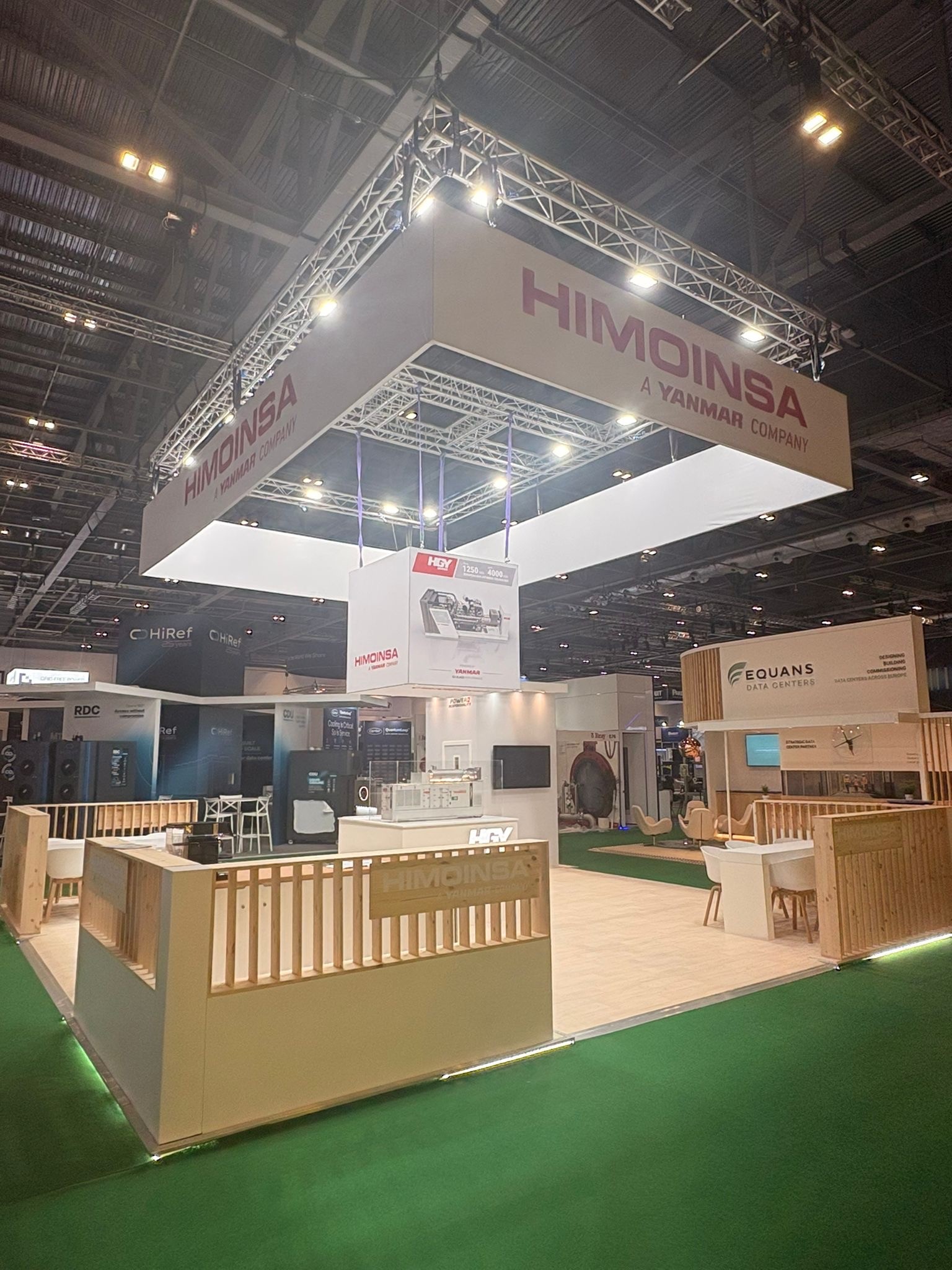
The brief for any bespoke exhibition stand is the most influential document. It shapes every design decision, every engineering choice, and every pound spent. When the brief is sharp, the design process moves quickly, and the finished stand delivers exactly what the business needs. When the brief is weak, vague, or missing critical information, the project drifts, the revisions multiply, and the stand that arrives on the day rarely matches what the client had in mind.
At Expositionists, we have reviewed many exhibition stand briefs, and the mistakes we see are remarkably consistent, and almost all of them are avoidable. Below is a practical guide to the briefing errors that cause the most damage and, more importantly, how to sidestep each one before the design process begins.

Mistake 1: Leading With Aesthetics Instead of Objectives
The most common briefing mistake is telling the stand designer what you want the stand to look like before explaining what it needs to achieve. A bespoke exhibition stand needs to attract the right visitors, facilitate the right conversations, and generate a measurable return. Without clear objectives, the designer is decorating a space rather than engineering an outcome.
How to avoid it: Start the brief with what the stand needs to deliver. How many qualified leads do you need? What types of conversations should the stand enable? Are you launching a new product, building brand awareness, or supporting a sales pipeline that already exists? Once the objectives are established, the aesthetic direction follows naturally. Position visual preferences after the commercial goals.
Mistake 2: Forgetting to Mention the Venue and Plot Details
This one sounds obvious, but a surprising number of briefs arrive without basic venue information. The designer needs to know which exhibition hall the stand will sit in, where the plot is inline, corner, peninsula, or island and the exact dimensions. Beyond the floor plan, venue-specific constraints matter enormously: ceiling heights, rigging restrictions, fire exit proximity, neighbouring stand heights, and access routes for build-up all influence what can and cannot be designed.
A bespoke stand designed without any of the venue information risks having a feature wall exceeding the height limit or the main entrance facing a service corridor rather than the primary visitor aisle.
How to avoid it: Include the venue name, hall number, stand number, plot type, and exact dimensions in the brief. Attach the floor plan if you have one. If you are exhibiting at multiple venues across the year, share all of them so the designer can engineer flexibility into the build from the start. The earlier we receive the details, the stronger the first concept will be.
Mistake 3: Leaving the Product and Demonstration Requirements Until Later
The brief describes the brand, objectives, and visual direction in detail. Product displays and demonstration requirements have a direct impact on stand layout, power supply, structural loading, lighting, and even flooring specification.
A heavy industrial component needs reinforced flooring and potentially a forklift access route during build. A live software demonstration needs reliable power, wired internet, and a screen visible from outside the stand. A fragile prototype needs a secure display case with controlled lighting. None of these can be designed retrospectively without compromising something else in the layout.
How to avoid it: List every product or demonstration that will appear on the stand. For each one, include its dimensions, weight, power requirements, and how visitors are expected to interact with it. Note whether the product will change between shows. This information is important for the designer so they can allow enough space, plan infrastructure, and position the product correctly within the visitor journey.
Mistake 4: Underspecifying Hospitality and Meeting Requirements
Many briefs mention that “we will need a meeting area” without defining what kind of meetings, how many simultaneously, how private they need to be, or how many people each meeting involves. There’s a difference between an open lounge area for informal conversations and a fully enclosed room for contract negotiations. Space, materials, soundproofing, and layouts are all important to get right.
Hospitality requirements are often left vague, meaning the client may want a coffee machine or a staffed espresso bar. The infrastructure behind hospitality needs to be designed in, not added on.
How to avoid it: Define the number and type of meeting spaces: open, semi-private, or fully enclosed. State how many people each space needs to seat comfortably and specify the level of hospitality: self-serve refreshments, staffed bar, full catering, or none.
Mistake 5: Not Sharing the Budget Range
Budget conversations can be uncomfortable, and many clients leave the figure out of the brief entirely, hoping the designer will present options at various price points.
A bespoke exhibition stand varies depending on size, complexity, materials, technology integration and whether the build is designed for single-use or engineered for reuse.
How to avoid it: Share a realistic budget range, not a precise figure. Give the designer a broad bracket. If the budget is genuinely undecided, share what you spent on your last stand or what you would be comfortable investing per show across a multi-event calendar. At Expositionists, we design to the budget.
Mistake 6: Briefing the Stand in Isolation From the Wider Show Plan
A bespoke exhibition stand does not operate in a vacuum. It sits within pre-event marketing, on-stand staffing, lead capture, demonstration scheduling, hospitality logistics, and post-show follow-up. Yet most briefs treat the stand as a self-contained design problem, separate from everything else.
This creates a disconnect. The stand is designed with a large open frontage, but the staffing plan puts two people on the stand who cannot cover it. The layout includes a demo station, but nobody has planned a demonstration schedule or assigned a presenter.
How to avoid it: Include operational context in the brief. How many staff will be on the stand, and what are their roles? How will leads be captured? Is there a demonstration or presentation? If so, how long and how frequently? We build stands that are designed to be worked, not just admired, and operational briefing is a core part of that process.
Mistake 7: Skipping the Multi-Show Conversation
If there is any possibility that the stand will be used at more than one event, that information needs to be in the brief from the start. Retrofitting reusability into a stand that was designed for a single show is expensive and rarely satisfactory. Materials, connection systems, packing solutions, and graphic attachment methods all differ between a single-use build and a stand engineered for three or more shows.
This is one of the most costly briefing omissions, because the decision to reuse often comes after the first show, by which point the stand has already been built with single-use assumptions. The client then faces a choice between spending heavily to modify the stand for reuse or accepting that it cannot be used again effectively.
How to avoid it: Even if only the first show is confirmed, share your likely exhibition calendar for the next 12 to 18 months. Note any venue changes, footprint variations, or campaign shifts during that period. Expositionits designs every custom and bespoke exhibition stand with a multi-show conversation as standard.
Mistake 8: Providing Inspiration Without Context
Mood boards, Pinterest collections, and competitor stand photographs are useful reference points. Problems arise when they are the entire brief. If it’s just a folder of images without commentary, it leaves the designer guessing which elements the client actually wants to draw from.
It can also lead the design in the wrong direction entirely. A stand that looks impressive in a photograph may have been designed for a completely different audience, objective, footprint, or budget.
How to avoid it: If you include visual references, annotate them and explain what specifically you are responding to in each image and why it’s more useful. Context turns inspiration from noise into signal, and it gives the designer a much faster route to a concept you will recognise as yours.
Mistake 9: Treating the Brief as a One-Way Document
A brief should start a conversation, not end one. Some clients invest significant time producing a polished, multi-page document and then expect the designer to return with a finished concept that matches it exactly. In reality, the strongest bespoke exhibition stand designs emerge from a dialogue where the designer interrogates the brief, challenges assumptions, and brings expertise that the client may not have considered.
For example, the brief might request a fully enclosed meeting room in the centre of the stand. The designer knows of the venue layout and aisle traffic patterns, and might suggest a semi-enclosed position at the rear end.
How to avoid it: Write the brief with the expectation that it will evolve through conversation. We review the brief as a collaborative session, not a tick-box exercise. We ask questions, test assumptions, and bring venue knowledge, engineering constraints, and commercial experience into the conversation before a single concept is drawn.
Having a Better Brief Gets You a Better Stand
Every mistake in this list has the same root cause: the brief was written as a wish list rather than a working document. A strong bespoke exhibition stand brief is specific about objectives, honest about budget, detailed about operational requirements, and open to expert input. It gives the designer the information needed to produce a first concept that is close to the target.

Related blogs:
Designing an Exhibition Stand That Works Across Three Shows, Not Just the Next One
Choosing the Right Exhibition Space: Why Location Matters More Than Size
Stand Out This Autumn With Creative Design Ideas for Your Exhibition Stand
The Checklist You Need to Know About for Your Next Trade Show Exhibition Stand
We work with clients at every stage of the briefing process, from companies writing their first exhibition stand brief to experienced exhibitors refining their approach. If you are preparing for your next show and want to make sure the brief sets the project up for success, request a quote today or explore our bespoke exhibition stand design. We look forward to hearing from you.